Oman has become one of the most attractive destinations for foreign investors in the Middle East, thanks to its strategic location, investor-friendly regulations, and expanding logistics infrastructure. Among its major economic hubs, Duqm Freezone, Sohar Freezone, and Salalah Freezone stand out as the country’s most significant engines for trade, manufacturing, and international business.
In this comprehensive comparison guide, we will evaluate all three free zones based on location, infrastructure, setup costs, taxation, business opportunities, and industry suitability helping investors decide which one best matches their business goals in 2025.
Introduction to Oman’s Major Freezones 2026
Oman’s free zones are designed to support the country’s diversification vision under Oman Vision 2040. These zones attract foreign investment by offering 100% foreign ownership, simplified business procedures, long-term tax exemptions, and advanced logistics facilities.
While each freezone plays a key role in Oman’s economic landscape, their strengths differ significantly, making it essential for investors to understand the key differences before choosing where to establish operations.
This article compares Duqm vs Sohar vs Salalah Freezone, offering a detailed and practical evaluation for entrepreneurs, manufacturers, logistics businesses, and international traders.
Overview of Each Freezone
Duqm Freezone (Duqm SEZ)
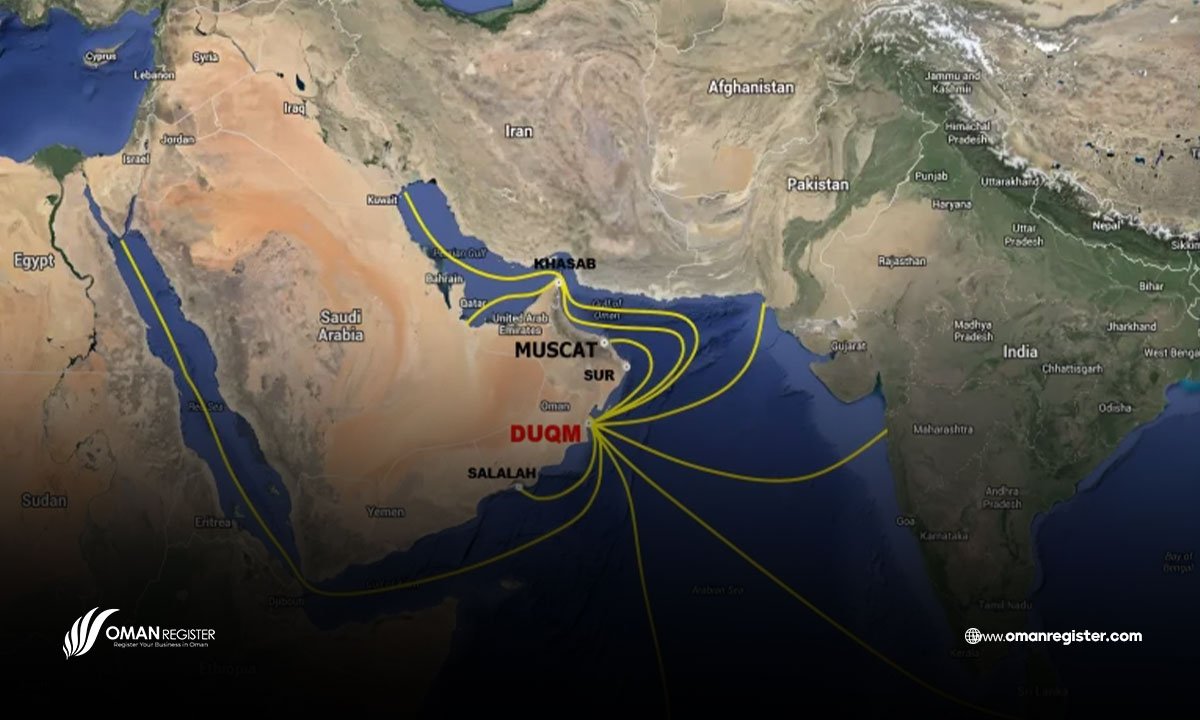
Duqm Freezone,also known as the Special Economic Zone at Duqm (SEZAD),is one of the largest freezones in the Middle East. Located on Oman’s central eastern coast along the Arabian Sea, Duqm is designed to become a global industrial hub and a gateway to major Asian and African markets.
Key characteristics of Duqm Freezone:
Strategic location: Positioned between Muscat and Salalah with direct access to international sea routes.
Strong industrial orientation: Focus on petrochemicals, heavy manufacturing, renewable energy, and logistics.
Advanced megaprojects: Home to Duqm Port, Duqm Refinery, dry dock facilities, and strategic storage hubs.
Wide land availability: Ideal for large-scale industrial projects that require substantial space.
Duqm is particularly suitable for long-term industrial investments and mega-projects that require both large land plots and connectivity to a deep-sea port.
Sohar Freezone
Sohar Freezone is located in northern Oman, close to the UAE border and home to one of the region’s most active industrial ports. Sohar is recognized for its fast-growing logistics ecosystem and concentration of heavy industries.
Key characteristics of Sohar Freezone:
Prime location near UAE: Only 220 km from Dubai, making it ideal for companies targeting Gulf markets.
Industrial diversity: Strong presence in metals, petrochemicals, plastics, and logistics operations.
Established ecosystem: The nearby Sohar Port is one of the busiest in the region.
Highly developed infrastructure: Roads, utilities, and industrial clusters are well-established.
Sohar is best suited for companies needing efficient logistics operations, access to Gulf markets, or integration with heavy industrial supply chains.
Located in southern Oman, Salalah Freezone sits next to one of the world’s most strategically placed transshipment ports. Its positioning along major East-West shipping routes makes it a powerhouse for logistics and re-export businesses.
Key characteristics of Salalah Freezone:
Global shipping hub: Located directly on major Asia–Africa–Middle East maritime routes.
Strong logistical advantages: Direct access to Salalah Port, one of the fastest-growing transshipment hubs globally.
Focus industries: Logistics, warehousing, packaging, assembly, and re-export operations.
Ideal for trade with Africa and India: Offers the shortest shipping routes among the three.
Salalah is perfect for businesses focused on global distribution, e-commerce fulfillment, and international trade.
Duqm vs Sohar vs Salalah Key Factors Comparison
1. Geographic & Strategic Location
Duqm: Centrally located, giving it balanced access to both northern and southern trade routes. Though more remote, it functions as a long-term industrial and logistics hub.
Sohar: Proximity to the UAE and GCC markets is its biggest advantage. Best choice for companies targeting the Gulf region.
Salalah: Superior for international shipping, especially connections to East Africa, India, and Southeast Asia.
Winner:
For GCC market access → Sohar
For global trade routes → Salalah
For long-term industrial potential → Duqm
2. Business Setup & Licensing Requirements
All three freezones offer:
100% foreign ownership
Fast licensing procedures
Long-term land leases
Multi-purpose activity licenses
However, the speed of operational readiness differs:
Sohar typically offers the fastest setup due to its mature ecosystem.
Salalah also allows quick approvals, especially for logistics companies.
Duqm, while streamlined, may require more time for large industrial projects due to land preparation and environmental assessments.
3. Ownership & Taxation
All three freezones offer similar tax benefits, though details can differ:
Corporate tax exemption: 10 to 30 years (depending on zone and project type)
No personal income tax
Full profit repatriation
No import/export duties
No minimum capital requirements (varies by license type)
While tax benefits are similar, Duqm historically offers the longest exemption periods for major industrial investments.
4. Infrastructure & Connectivity
Duqm:
Deep-sea port
Mega refinery
Renewable energy zone
Dry dock
International airport
Extensive land for mega-industries
Sohar:
Highly developed industrial port
Road access to UAE
Power and gas networks
Integrated metal and petrochemical clusters
Fast access to global and regional markets
Salalah:
World-renowned transshipment port
International airport
Strong cold-chain logistics
Warehousing and distribution centers
Best for infrastructure:
Heavy industries → Duqm & Sohar
Global logistics → Salalah
5. Costs (Setup Costs & Operational Costs)
While costs vary depending on activity and facility size, general trends include:
Sohar tends to have the highest operational costs due to its advanced and busy ecosystem.
Duqm offers competitive land lease rates, especially for large industrial plots.
Salalah has attractive warehousing and logistics pricing, with reduced costs for re-export operations.
For investors seeking large land areas or long-term industrial development, Duqm often provides the most flexible pricing structure.
6. Target Industries
Duqm Freezone is primarily focused on industries such as oil and gas, petrochemicals, green hydrogen, mineral processing, large-scale manufacturing, and heavy industry. It is designed to support major industrial and energy projects, making it an ideal destination for companies involved in large-scale production and resource-based sectors.
Sohar Freezone concentrates on sectors including metals, petrochemicals, plastics production, food manufacturing, as well as logistics and warehousing. Its strategic proximity to the UAE strengthens its position as a regional hub for manufacturing, processing, and distribution activities.
Salalah Freezone, due to its world-class transshipment port, specializes in logistics services, transit trade operations, packaging and assembly activities, pharmaceutical production, and cold-storage export businesses. It is particularly suitable for companies targeting global supply chains and re-export markets.
7. Investment Incentives
All three freezones offer attractive investment incentives, but each has its unique strengths. Duqm provides long-term land lease options extending beyond 50 years, significant tax holiday periods, and access to low-cost utilities making it ideal for large industrial projects. Sohar stands out with its direct integration into an advanced port, strong access to established industrial clusters, and rapid licensing procedures that help investors launch operations quickly. Salalah distinguishes itself through its competitive cost structure, especially beneficial for re-export and distribution-based businesses, and its exceptional logistics advantages tied to global shipping routes.
Which Freezone Is Best for Your Business?
Choosing the right freezone depends entirely on your business model:
Best for Industrial Manufacturing:
✔ Duqm Freezone
Thanks to massive land availability, refinery projects, and integrated heavy-industry infrastructure.
Best for GCC Trade and UAE Market Access:
✔ Sohar Freezone
Its proximity to the UAE makes it the ideal base for companies serving Gulf customers.
Best for International Logistics & Re-export Businesses:
✔ Salalah Freezone
With one of the world’s fastest transshipment ports, it’s perfect for global distribution networks.
Best for Startups & SMEs:
✔ Salalah (logistics) or Sohar (light industry)
Both offer efficient setup and access to regional markets.
Best for Iranian Investors:
Sohar for proximity
Duqm for long-term industrial projects
Salalah for distribution to Africa & India
Frequently Asked Questions (FAQs)