
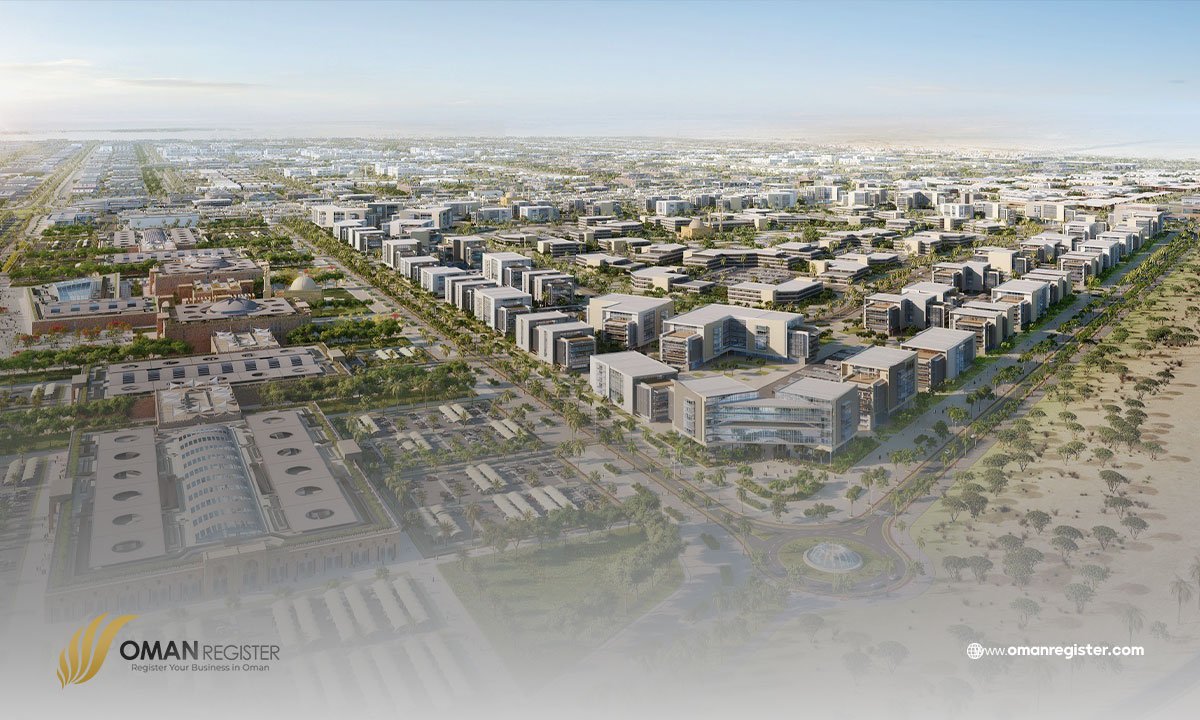
Khazaen Free Zone has emerged as one of Oman’s most promising destinations for local and international investors seeking a stable, cost-efficient, and strategically positioned business environment. Developed as part of the broader Khazaen Economic City initiative, this free zone plays a critical role in supporting Oman’s economic diversification strategy and strengthening its position as a regional logistics and industrial hub. Investors exploring Investment opportunities in Oman free zones What are investment opportunities in Oman free zones will find Khazaen Free Zone particularly attractive due to its unique combination of regulatory incentives and modern infrastructure.
Located within close proximity to Muscat and major transportation corridors, Khazaen Free Zone offers investors a rare combination of geographic advantage, modern infrastructure, and attractive regulatory incentives. As global supply chains continue to shift toward efficiency, resilience, and regional accessibility, Oman and specifically Khazaen Free Zone has become increasingly relevant for companies targeting the Gulf Cooperation Council (GCC), Middle East, Africa, and South Asia.
This comprehensive guide explores Khazaen Free Zone in detail, covering its strategic location, investment incentives, key industries, business setup process, and long-term growth potential. Whether you are a multinational corporation, an SME, or an emerging logistics or manufacturing company, Khazaen Free Zone presents a compelling case for sustainable expansion in Oman.
What Is Khazaen Free Zone?
Overview of Khazaen Economic City
Khazaen Free Zone is an integral component of Khazaen Economic City, a largescale, master-planned development backed by the Omani government and designed to support industrial, logistics, commercial, and residential growth. Khazaen Economic City spans millions of square meters and is envisioned as a future-ready economic ecosystem rather than a traditional industrial estate.
The project is structured to attract diversified investments, encourage private sector participation, and foster innovation across multiple industries. By integrating free zone benefits within a broader economic city framework, Khazaen offers businesses access to both regulatory advantages and long-term development opportunities.
Read more: best cities to invest in Oman From muscat to duqm: The 5 Best cities to invest in oman
Legal Framework and Free Zone Status
As a designated free zone, Khazaen Free Zone operates under a special regulatory framework that differs from mainland business jurisdictions in Oman. This framework is designed to reduce barriers to entry, streamline administrative processes, and enhance investor confidence.
Companies established within Khazaen Free Zone benefit from independent licensing authorities, simplified customs procedures, and investor-friendly ownership rules. This legal structure makes Khazaen Free Zone particularly attractive to foreign investors seeking full operational control and regulatory clarity.
Strategic Location and Connectivity Advantages
Geographic Positioning in Oman
Khazaen Free Zone is strategically located in the Wilayat of Barka, approximately 30 kilometers west of Muscat, Oman’s capital. This location places it at the heart of the country’s primary economic corridor, connecting Muscat to Sohar,two of Oman’s most important commercial and industrial centers.
The free zone enjoys direct access to major highways, enabling efficient road transport across the Sultanate and into neighboring GCC countries. Its proximity to Muscat International Airport further enhances its appeal for businesses that rely on air cargo, executive mobility, or international connectivity.
Logistics and Supply Chain Infrastructure
One of the defining strengths of Khazaen Free Zone is its focus on logistics and supply chain integration. The development includes dry port facilities, warehousing zones, and logistics parks designed to support high-volume trade and distribution activities.
Khazaen Free Zone complements Oman’s major seaports, including Sohar Port and Port of Duqm, allowing businesses to optimize multimodal transport routes. This integrated approach reduces transit times, lowers operational costs, and improves overall supply chain efficiency.
Regional and Global Market Access
Oman’s strategic position outside the Strait of Hormuz gives Khazaen Free Zone a unique advantage in regional and global trade. Businesses operating from the free zone can access markets across the GCC, East Africa, the Indian subcontinent, and beyond.
Additionally, Oman’s network of free trade agreements and preferential trade arrangements enhances export competitiveness for companies based in Khazaen Free Zone. This makes the zone an ideal base for regional distribution, re-export activities, and international trading operations.
Investment Incentives and Business Benefits
Foreign Ownership and Capital Flexibility
One of the most attractive features of Khazaen Free Zone is the ability for foreign investors to retain 100% ownership of their businesses. Unlike many traditional jurisdictions, there is no requirement for a local partner, allowing investors full strategic and operational control.
Investors also benefit from unrestricted capital repatriation, ensuring that profits and dividends can be transferred abroad without limitations. This flexibility is especially important for multinational corporations and international holding companies seeking predictable financial structures.
Tax and Customs Incentives
Khazaen Free Zone offers a range of tax-related incentives designed to reduce the overall cost of doing business. These incentives typically include corporate tax exemptions for a defined period, customs duty exemptions on imports and exports, and relief from certain indirect taxes for qualifying activities.
For companies engaged in manufacturing, logistics, or re-export operations, these benefits can significantly improve margins and long-term profitability. The predictable tax environment also supports long-term investment planning and financial forecasting.
Cost Efficiency and Operational Advantages
Compared to more saturated free zones in the GCC, Khazaen Free Zone offers competitive land lease rates, lower operational costs, and scalable infrastructure options. Businesses can choose from industrial plots, pre-built warehouses, and customized facilities depending on their operational needs, while keeping an eye on the company registration cost in Oman) How much company registration cost in Oman ?).
Labor regulations within the free zone are designed to support business growth, offering flexibility in workforce composition while remaining compliant with national labor standards. Combined with streamlined licensing and reduced bureaucracy, these factors contribute to a highly efficient operating environment.
Key Industries and Investment Opportunities
Logistics and Warehousing
Logistics is one of the cornerstone sectors of Khazaen Free Zone. The zone is ideally suited for third-party logistics providers, distribution centers, freight forwarding companies, and e-commerce fulfillment operations.
With modern warehousing facilities, cold storage options, and direct connectivity to ports and highways, Khazaen Free Zone enables companies to serve regional markets quickly and cost-effectively.
Light and Medium Manufacturing
Khazaen Free Zone also targets light and medium manufacturing industries, including assembly, packaging, processing, and value-added manufacturing. These activities benefit from the zone’s customs exemptions, infrastructure readiness, and proximity to raw materials and export routes.
Manufacturers operating in Khazaen Free Zone can serve both domestic and international markets while maintaining cost competitiveness and operational flexibility.
Commercial and Trading Activities
Trading companies, regional headquarters, and business service providers find Khazaen Free Zone an attractive base due to its regulatory simplicity and strategic location. The free zone supports import-export businesses, commodity trading, and regional sales operations targeting the GCC and nearby regions.
Opportunities for SMEs and Foreign Enterprises
Khazaen Free Zone is particularly supportive of small and medium-sized enterprises (SMEs). Lower entry barriers, modular facilities, and scalable leasing options allow SMEs to establish and grow their operations without excessive upfront investment.
Foreign enterprises seeking a foothold in the Omani and GCC markets can use Khazaen Free Zone as a launchpad for regional expansion.
Business Setup Process and Investor Support
Company Formation and Licensing
Setting up a company in Khazaen Free Zone is designed to be a straightforward and transparent process. Investors typically begin by selecting the appropriate business activity and facility type, followed by company registration and licensing through the free zone authority.
The process is streamlined to minimize delays and administrative complexity, enabling businesses to become operational within a relatively short timeframe.
Read more: Time Frame for Company Registration in Oman (How Is the Time Frame for Company Registration in Oman?)
One-Stop-Shop Services
Khazaen Free Zone operates a one-stop-shop model that centralizes key government and administrative services. This includes licensing, permits, customs coordination, and investor support services, reducing the need for multiple external approvals.
Dedicated investor relations teams assist businesses throughout the setup phase and beyond, providing guidance on compliance, expansion, and operational optimization.
Infrastructure and Facilities
The free zone offers a wide range of infrastructure options, including industrial land plots, warehouses, office spaces, and logistics facilities. Utilities such as electricity, water, telecommunications, and digital connectivity are integrated into the development plan.
This infrastructure-first approach ensures that businesses can scale efficiently as their operations grow.
Khazaen Free Zone vs Other GCC Free Zones
Cost Structure and Accessibility
Compared to established free zones in the UAE and other GCC countries, Khazaen Free Zone offers a more cost-effective entry point without compromising on infrastructure quality or regulatory clarity.
Lower competition, less congestion, and long-term development planning make Khazaen particularly attractive for businesses seeking sustainable growth rather than short-term market presence.
Strategic Differentiation
While some GCC free zones focus primarily on finance or high-density commercial activities, Khazaen Free Zone emphasizes logistics, industrial growth, and supply chain integration. This strategic focus aligns with global trade trends and Oman’s national development priorities.
Role of Khazaen Free Zone in Oman Vision 2040
Supporting Economic Diversification
Khazaen Free Zone plays a vital role in advancing Oman Vision 2040 ( Oman Vision 2040: The Future of Investment and its impact)by supporting economic diversification and reducing reliance on hydrocarbons. By attracting investments in logistics, manufacturing, and services, the free zone contributes to a more resilient and diversified economy.
Job Creation and Knowledge Transfer
The development of Khazaen Free Zone supports job creation, skills development, and knowledge transfer within Oman. Partnerships between local and international companies foster innovation and strengthen the country’s industrial capabilities.
Long-Term National Impact
As Khazaen Economic City continues to expand, the free zone is expected to become a key pillar of Oman’s non-oil economic growth, supporting exports, foreign direct investment, and regional trade integration.
Regulatory Compliance and Legal Considerations
Business Regulations in Khazaen Free Zone
Khazaen Free Zone operates under a transparent and investor-oriented regulatory framework designed to simplify compliance while maintaining international business standards. Companies benefit from clear regulations related to licensing, reporting, and operational governance, reducing legal uncertainty and administrative risk.
Intellectual Property Protection
Businesses operating in Khazaen Free Zone can register and protect intellectual property rights in line with Omani laws and international conventions. This is particularly important for technology-driven, manufacturing, and brand-focused companies.
Cost Structure and Investment Planning
Setup and Establishment Costs:
The cost of setting up a business in Khazaen Free Zone varies depending on business activity, facility type, and operational scale. Typical cost components include licensing fees, land or warehouse leasing, utilities, and staffing requirements.
Long-Term Operating Expenses:
Khazaen Free Zone offers predictable operating costs, allowing businesses to plan long-term budgets efficiently. Competitive lease rates and utility pricing support sustainable financial planning.
Licensing Types and Permitted Activities
Commercial and Trading Licenses:
Commercial licenses cover trading, import-export, and distribution activities. These licenses are ideal for companies targeting regional and international markets.
Industrial and Manufacturing Licenses:
Industrial licenses support manufacturing, assembly, processing, and value-added industrial activities within the free zone.
Logistics and Service Licenses:
Logistics and service licenses are designed for warehousing, freight forwarding, supply chain management, and professional services.
Khazaen Free Zone for Foreign Investors
Advantages for International Companies
Foreign investors benefit from full ownership, simplified regulations, and strong government backing. Khazaen Free Zone provides a stable entry point into Oman and the wider GCC market.
Risk Management and Business Stability
Oman’s political stability, strong legal framework, and investor-friendly policies reduce risk for long-term foreign investment.
Digital Infrastructure and Technology Enablement
Smart Zone Capabilities:
Khazaen Free Zone integrates digital systems for licensing, operations, and infrastructure management, supporting efficient and technology-enabled business operations.
Technology-Driven Business Opportunities:
The free zone supports technology-enabled logistics, smart warehousing, and industrial automation initiatives.
Real Estate, Warehousing, and Facility Options
Industrial Land and Custom Built Facilities: Investors can lease industrial land and develop custom-built facilities tailored to specific operational requirements.
Ready-Built Warehouses and Offices: Pre-built warehouses and office units allow faster setup and reduced initial capital expenditure.
Risk Factors and Challenges to Consider
Market and Operational Risks
Like any investment destination, businesses should evaluate market demand, operational readiness, and regulatory compliance when entering Khazaen Free Zone.
Mitigation Through Strategic Planning
Proper feasibility studies, local partnerships, and professional advisory support can help mitigate risks.
Conclusion and Investor Outlook
Khazaen Free Zone represents a forward-looking investment destination that combines strategic location, competitive incentives, and long-term development vision. Its integration within Khazaen Economic City, focus on logistics and industrial growth, and alignment with Oman Vision 2040 make it a compelling choice for investors seeking stability and scalability.
For businesses looking to establish a presence in Oman or expand into regional and global markets, Khazaen Free Zone offers an environment designed for efficiency, growth, and long-term success. As global trade patterns continue to evolve, Khazaen Free Zone stands out as a strategic gateway to opportunity in the Middle East.
Frequently Asked Questions About Khazaen Free Zone
Is Khazaen Free Zone suitable for SMEs?
Yes. The free zone offers scalable facilities, lower entry barriers, and supportive services ideal for SMEs.
How long does company setup take?
Company formation timelines vary by activity but are generally shorter than mainland setups due to streamlined procedures.
Can companies operate outside the free zone?
Companies may operate within permitted frameworks subject to applicable regulations.