Sohar Free Zone is one of the most prominent and rapidly growing business hubs in the Middle East. Located in northern Oman, it has emerged as a strategic gateway for international investors looking to expand their operations across the GCC, Asia, Africa, and Europe. The zone integrates industrial, logistics, and commercial facilities, offering businesses unparalleled access to global markets.
Over the past decade, Sohar Free Zone has transformed into a thriving ecosystem that combines world-class infrastructure, investor-friendly policies, and seamless logistics connectivity. Its strategic positioning, comprehensive incentives, and flexible business environment make it an attractive destination for multinational companies, SMEs, and startups alike. This guide provides an in-depth look at what makes Sohar Free Zone unique, the investment opportunities available, and a step-by-step approach to establishing a successful business in the zone.
What Is Sohar Free Zone?
Overview and Strategic Importance
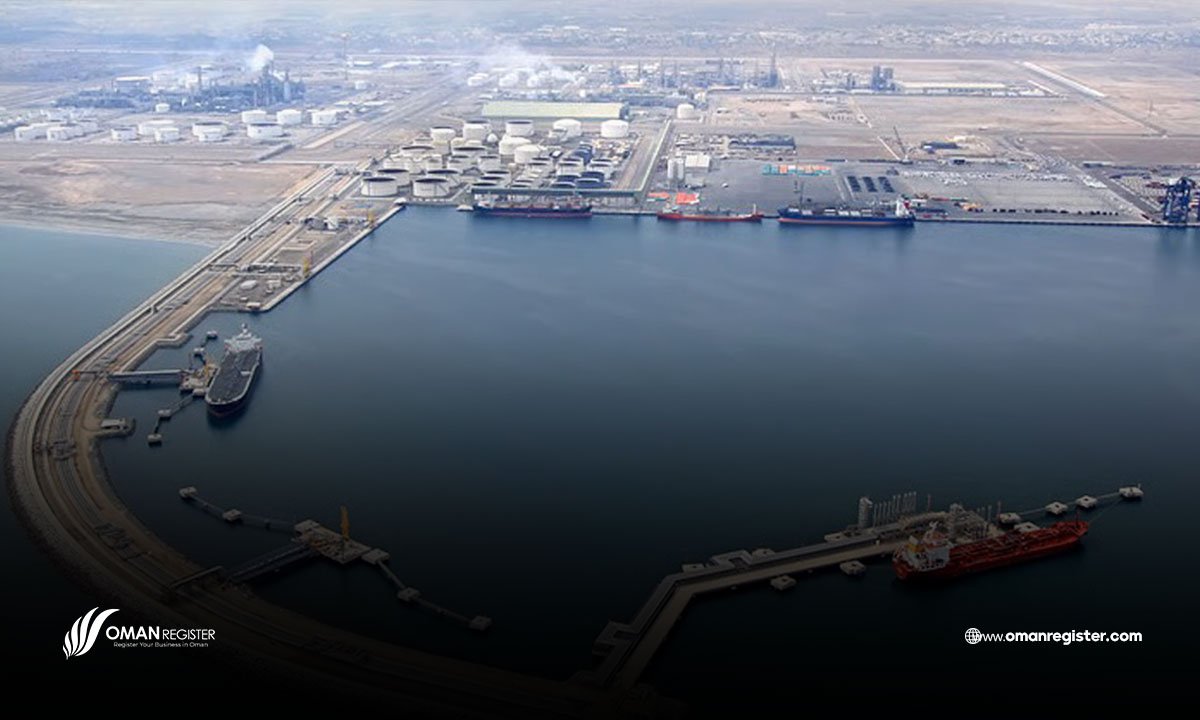
Sohar Free Zone is an integrated economic zone designed to facilitate industrial, commercial, and logistical activities. Unlike typical free zones, Sohar combines a deep-sea port with extensive industrial and commercial infrastructure, creating a unique environment that supports manufacturing, trade, and export-oriented businesses. The zone’s strategic location provides easy access to global shipping routes, making it ideal for companies targeting regional and international markets.
The free zone covers a large area with industrial plots, warehouses, office spaces, and specialized facilities for various sectors. It operates under a streamlined regulatory framework that simplifies business setup and promotes investor confidence. Over the years, Sohar Free Zone has become a hub for industries ranging from metals and petrochemicals to logistics and food processing.
Mission and Vision
Sohar Free Zone’s mission is to attract foreign investment, support economic diversification, and provide a platform for sustainable business growth. Its vision is to establish itself as a leading industrial and logistics hub, facilitating innovation, employment, and regional trade expansion. By fostering a business-friendly environment, the zone aims to drive long-term economic growth and contribute to Oman’s overall development.
Strategic Location & Connectivity
Geographical Advantage
Sohar Free Zone enjoys a prime location along Oman’s northern coast, bordering the Arabian Sea. This location offers direct access to major maritime trade routes, connecting Asia, Africa, and Europe. Its proximity to major markets allows businesses to reduce transit times and costs, making it a highly competitive base for operations.
H3:Multi-Modal Connectivity
The zone is supported by robust infrastructure, including:
- Sea Access: Deep-sea port facilities capable of handling large vessels, facilitating efficient import and export operations.
- Road Networks: Modern highways link Sohar to Muscat, the UAE, and other Gulf countries, enabling smooth land transportation of goods.
- Air Access: Nearby airports provide opportunities for fast cargo movement and business travel.
This multi-modal connectivity ensures seamless supply chain operations, crucial for industries relying on timely deliveries and global trade networks.
H3:Access to Global Markets
Businesses in Sohar Free Zone benefit from direct access to a wide range of markets. Companies can easily serve the GCC countries, the Indian subcontinent, East Africa, and Europe. This accessibility makes the zone an ideal base for export-oriented industries and multinational companies seeking a strategic foothold in the region.
Key Benefits & Incentives for Investors
100% Foreign Ownership
One of the most attractive features of Sohar Free Zone is that it allows complete foreign ownership. Investors can fully control their businesses without the need for a local partner, enhancing flexibility and operational independence.
Tax Incentives
Sohar Free Zone offers generous tax benefits to encourage investment:
Corporate Tax Holiday: Companies enjoy extended periods of tax exemption, providing significant financial advantages.
No Import or Export Duties: Goods entering or leaving the zone are exempt from customs duties, reducing operational costs.
No Personal Income Tax: Employees benefit from tax-free salaries, making it easier to attract talent.
Streamlined Licensing and Permits
The free zone authority provides a one-stop-shop for business setup, including licensing, permits, utility connections, and visa processing. This streamlined process reduces bureaucratic hurdles and enables companies to start operations quickly.
To understand the full legal requirements for your team and family, you should check the latest Oman investor and family residency requirements before starting your application
Flexible Capital Requirements and Workforce Policies
There is no rigid minimum capital requirement, allowing both startups and SMEs to establish a presence with minimal investment. Employment regulations are designed to be flexible, supporting both local and expatriate workforce needs.
Free Trade Agreements
Companies in Sohar Free Zone can leverage Oman’s free trade agreements to access global markets with preferential terms. This includes trade deals with countries across Asia, Europe, and North America, enhancing export potential.
Advanced Infrastructure and Utilities
The zone is equipped with modern industrial plots, warehouses, offices, and utilities such as power, water, and gas. This infrastructure supports efficient manufacturing and distribution operations, enabling businesses to scale seamlessly.
Major Investment Sectors & Opportunities
Industry & Manufacturing:
Sohar Free Zone hosts a diverse range of industries, including heavy and light manufacturing. The zone’s infrastructure and access to raw materials make it ideal for producing steel, metals, chemicals, plastics, and consumer goods. Companies benefit from integrated supply chains and lower production costs.
Petrochemicals and Chemicals
The petrochemical sector thrives in Sohar Free Zone, with access to refineries and related facilities. Investors can establish production lines for polymers, chemicals, and downstream products, leveraging proximity to raw material sources.
Metals and Minerals
Sohar Free Zone supports the metals industry, including steel and aluminum production. The integrated ecosystem enables efficient processing, storage, and distribution, creating a competitive advantage for metal manufacturers.
Food Processing and Agriculture
The zone provides facilities for food processing, cold storage, and packaging. Companies can benefit from modern infrastructure to produce and export food products efficiently, meeting both regional and international demand.
Logistics and Supply Chain
Sohar Free Zone is a logistics hub, offering warehousing, third-party logistics, freight forwarding, and e-commerce fulfillment services. Its proximity to the port and road networks allows companies to streamline distribution and reduce costs.
Renewable Energy and Sustainability
Emerging sectors in renewable energy, such as solar manufacturing and green hydrogen, present opportunities for forward-looking investors. The zone encourages sustainable practices, aligning with global environmental trends.
High-Tech Industries
The zone is also opening avenues for high-tech manufacturing and advanced industrial projects, diversifying its economic base and attracting innovative companies seeking a strategic location.
How to Set Up a Business in Sohar Free Zone
Step 1: Determine Business Activity and Company Type
Investors must first identify their business activity—whether manufacturing, trading, or services—and select the appropriate legal structure, such as a Free Zone Establishment (FZE) or Free Zone Company (FZC).
Step 2: Trade Name Reservation
A unique trade name must be chosen and approved by the free zone authority. Multiple options are recommended to ensure compliance with regulations.
Step 3: Submit Application and Required Documents
Key documents include passports of shareholders, a business plan, description of activities, and a power of attorney if applicable. Applications are submitted through the one-stop portal for evaluation.
Step 4: Choose Office, Land, or Warehouse Space
After initial approval, investors select suitable premises within the zone, whether industrial plots, warehouses, or office spaces.
Step 5: Obtain Licenses and Permits
The free zone authority issues commercial licenses, lease agreements, and necessary visas for employees and investors, enabling businesses to commence operations.
Step 6: Operations and Compliance
Businesses must maintain compliance with labor laws, Omanization policies, and reporting requirements. The zone provides ongoing support to ensure smooth operations and regulatory adherence.
Success Stories & Case Examples
Metals and Petrochemical Companies
Several international companies in steel, aluminum, and petrochemicals have successfully established operations in Sohar Free Zone. By leveraging integrated infrastructure and logistics, they have scaled efficiently and increased export volumes.
Logistics and Warehousing
Third-party logistics firms have expanded their operations, benefiting from proximity to the port and road networks. These companies provide essential distribution services to regional and global markets.
Renewable Energy Projects
Investments in solar and green hydrogen projects demonstrate the zone’s potential for sustainable industries. Companies are adopting advanced technologies and benefiting from infrastructure designed for clean energy production.
Industrial Diversification
The zone has attracted high-tech and light manufacturing industries, creating a diversified industrial base. These success stories highlight the potential of Sohar Free Zone to support innovative and export-oriented businesses.
Future Outlook & Expansion Plans
Sohar Free Zone continues to expand, with plans for additional industrial plots, logistics hubs, and commercial facilities. Investments in technology, sustainability, and infrastructure will strengthen its position as a leading business destination in the GCC.
The zone’s alignment with economic diversification strategies ensures long-term growth. Emerging sectors such as renewable energy, advanced manufacturing, and high-tech industries are expected to contribute significantly to the zone’s expansion and global competitiveness.